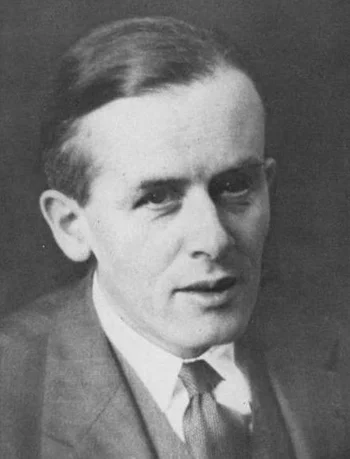
Robert Trump
August 26, 1948 — August 15, 2020 — Queens, New York City, United States
Robert Stewart Trump was an American businessman and investor who spent decades working behind the scenes at the Trump Organization. The younger brother of Donald Trump, he managed key aspects of the family's real estate and casino operations while largely avoiding the public spotlight his brother courted. He remained a steadfast supporter of Donald Trump's business ventures and later his political career.
Early Life and Family
Robert Stewart Trump was born on August 26, 1948, in Queens, New York City, the youngest of five children born to Fred Trump, a real estate developer, and Mary Anne MacLeod Trump. He grew up in the Jamaica Estates neighborhood of Queens alongside his siblings, including his older brother Donald, with whom he would maintain a close relationship throughout his life. Robert attended Boston University, earning a degree in business administration, before joining the family enterprise. Unlike Donald, who quickly became a fixture of tabloid coverage and New York's social scene, Robert cultivated a much quieter, more private public profile even as he took on significant responsibilities within the family business. His early exposure to real estate development under his father's guidance shaped his subsequent career, and he became known among colleagues as diligent, low-key, and detail-oriented, qualities that would define his decades-long role managing complex projects for the Trump Organization.
Business Career
Robert Trump spent much of his career working directly within the Trump Organization, where he held executive roles overseeing various real estate and casino operations. He was particularly involved in managing the family's Atlantic City casino interests during the 1980s and 1990s, a period marked by significant financial complexity and competition in the gaming industry. Robert also worked on residential and commercial development projects in New York, helping coordinate day-to-day operations while Donald served as the more visible public face of the company. Colleagues and family members described Robert as a steady, grounded presence who preferred negotiating deals and solving operational problems over media attention. He also pursued independent investment interests outside the family business. Throughout his career, Robert remained a trusted advisor to Donald, offering counsel during business disputes and corporate restructurings. His willingness to handle unglamorous but essential managerial tasks allowed the Trump Organization to expand its portfolio, and his loyalty to his brother extended beyond business into personal and eventually political support, as he stood by Donald through numerous controversies and legal battles over the decades.
Did You Know?
Despite being the brother of one of the most publicly scrutinized men in America, Robert Trump largely avoided the spotlight for most of his life, giving very few interviews. He married his second wife, Ann Marie Pallan, in a private ceremony just weeks before his death in August 2020.
Later Life and Legacy
In his later years, Robert Trump became known publicly as one of Donald Trump's most consistent defenders, both during his brother's real estate career and after Donald's rise to the presidency in 2017. He rarely gave interviews but was reported to have advised Donald informally on various matters. Robert was married twice: first to Blaine Trump, with whom he remained close even after their divorce, and later to Ann Marie Pallan, whom he wed shortly before his death. Robert Trump died on August 15, 2020, at a hospital in New York City at the age of 71, following complications from an illness that had required hospitalization. His death came just days before what would have been his 72nd birthday. Donald Trump, then serving as president, publicly mourned his brother, calling him not just a sibling but a best friend. Robert's legacy is closely tied to the operational success of the Trump Organization, having played a substantial, if understated, role in building the family enterprise that would later become central to American political discourse.