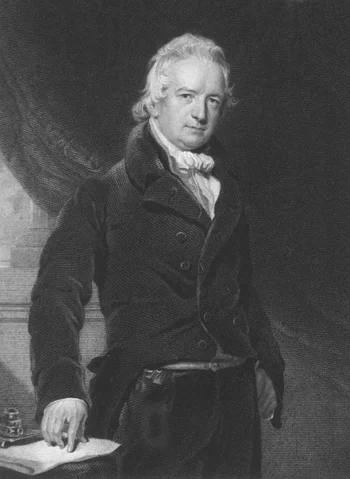
Swaminarayan
April 3, 1781 — June 1, 1830 — Chhapaiya, India
Swaminarayan, born Ghanshyam Pande and also known as Sahajanand Swami, was a Hindu ascetic and spiritual reformer who founded the Swaminarayan Sampradaya. Followers regard him as a manifestation of Krishna or the highest manifestation of Purushottama, and his teachings continue to shape millions of lives worldwide. Through decades of travel, teaching, and temple-building across Gujarat, he established a devotional movement that endures nearly two centuries after his death.
Early Life and Renunciation
Swaminarayan was born on April 3, 1781, in the village of Chhapaiya near Ayodhya in present-day Uttar Pradesh, India, to Hariprasad Pande, known as Dharmadev, and Premvati, known as Bhaktimata. Named Ghanshyam at birth, he was raised in a devout Brahmin family steeped in Vedic learning and religious practice. At the remarkably young age of eleven, he renounced worldly life and left home to become a wandering ascetic, adopting the name Neelkanth Varni. Over the next seven years, he traveled roughly 8,000 miles on foot across the Indian subcontinent, visiting pilgrimage sites, forests, and mountains, from the Himalayas to South India. During this pilgrimage, he practiced intense austerities, studied scripture, and encountered various spiritual traditions, all while seeking deeper truth. This period of wandering shaped his spiritual outlook and prepared him for the leadership role he would soon assume within a small ascetic community in Gujarat.
Leadership and Teachings
Neelkanth Varni's travels eventually brought him to Gujarat, where he joined the ascetic community led by Ramanand Swami, head of the Uddhav Sampraday. He was initiated into asceticism and given the names Sahajanand Swami and Narayan Muni. When Ramanand Swami died in 1801, leadership of the fellowship passed to the twenty-one-year-old Sahajanand Swami, who soon began using the mantra 'Swaminarayan' in devotional worship, a name that eventually became attached to him personally and to the movement itself. As leader, he emphasized dharma, moral discipline, devotion to God, and social reform, including efforts to curb practices such as infanticide, sati, and the mistreatment of widows. He established temples throughout Gujarat, including at Ahmedabad, Vadtal, and Junagadh, creating centers for worship, education, and community life. In 1826, he composed the Shikshapatri, a concise text of 212 Sanskrit verses outlining ethical and spiritual conduct for his followers, which remains a foundational scripture of the Swaminarayan Sampradaya.
Did You Know?
Between the ages of eleven and eighteen, Swaminarayan walked roughly 8,000 miles across the Indian subcontinent as a solitary wandering ascetic named Neelkanth Varni, traversing forests, mountains, and deserts alone before settling in Gujarat to lead the movement that would bear his name.
Legacy and Lasting Influence
Swaminarayan died on June 1, 1830, in Gadhada, Gujarat, but the movement he founded continued to flourish and expand long after his passing. He appointed successors to lead the two dioceses of the sampradaya, ensuring institutional continuity. Today, the Swaminarayan Sampradaya encompasses several branches, including the Bochasanwasi Akshar Purushottam Swaminarayan Sanstha (BAPS), which has built major temples such as Akshardham in Delhi and New Jersey. Followers worldwide, numbering in the millions, continue to observe the principles laid out in the Shikshapatri and revere Swaminarayan as a divine incarnation. His emphasis on nonviolence, vegetarianism, sobriety, and devotion has left a lasting imprint on Hindu religious practice, particularly among Gujarati communities globally. Grand temples, cultural festivals, and humanitarian and educational initiatives associated with his teachings stand as enduring testaments to his influence, making him one of the most significant religious figures to emerge from colonial-era India.